From a Brick Lane Market Stall to Two Studios
One sewing machine, a rack of dead-stock denim and a pitch on Brick Lane. Seven years on, here is how Karma Studio actually got built.
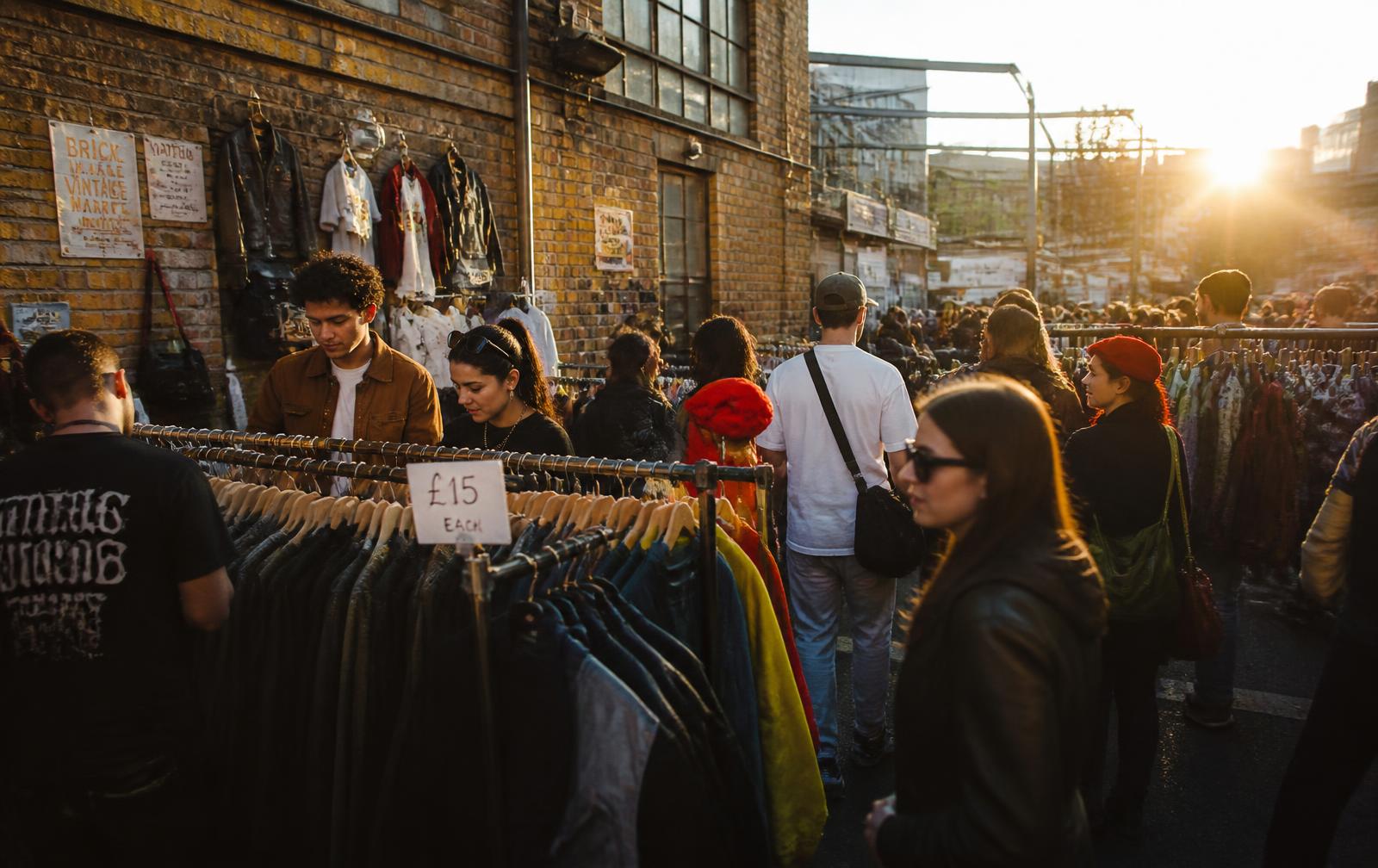
In 2017 Karma Studio was a fold-out table, a borrowed gazebo and a rail of dead-stock denim nobody else wanted. We paid for the pitch in cash on a Sunday morning and sold nine jackets before lunch. That was the whole business plan.
We had one sewing machine at home and no idea what we were doing. What we did have was a stubborn dislike of throwing clothes away. Every jacket on that first rail had been rescued from a warehouse clearance — faded, mis-sized, missing buttons — and reworked in a spare room until it was worth wearing again.
Learning the craft in public
Market trading teaches you fast. People tell you to your face which sleeve looks wrong. We learned to cut, patch and embroider by watching what sold and what stayed on the rail all day. Within two years the spare room became a studio, and the gazebo became a permanent weekend spot at Backyard Market.
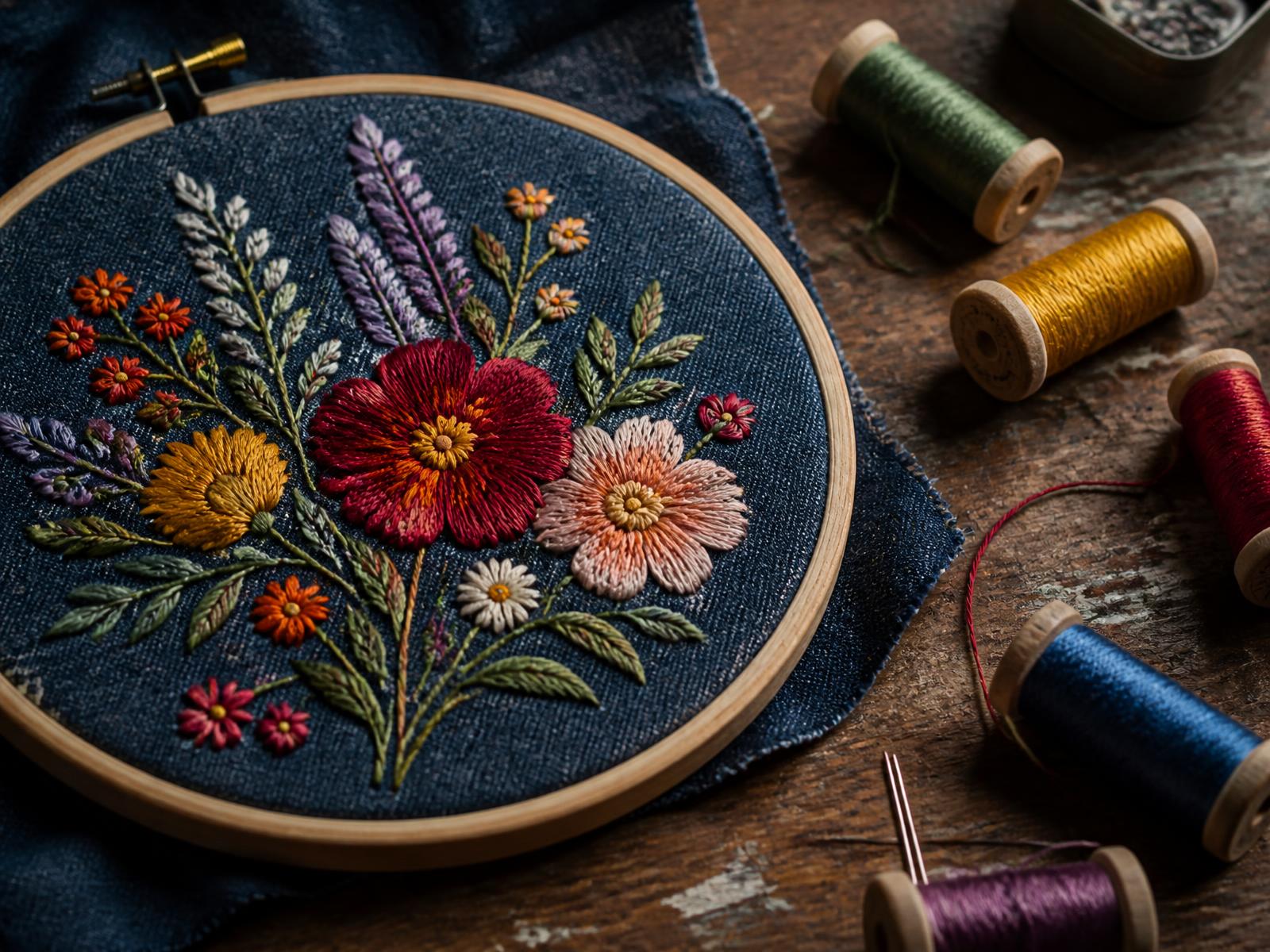
"We never wanted a factory. We wanted a workroom where every piece passes through someone's hands."
Two homes, one workroom
Burgate in Canterbury came next — a small shop with a big window and enough space at the back to keep working while the door is open. Brick Lane stayed, because it is where the whole thing started and where our best finds still turn up.
The team is still small: three seamstresses, two artists, and whoever is free to steam a jacket before it goes on the rail. Everything you buy from us was finished by one of them.
More articles
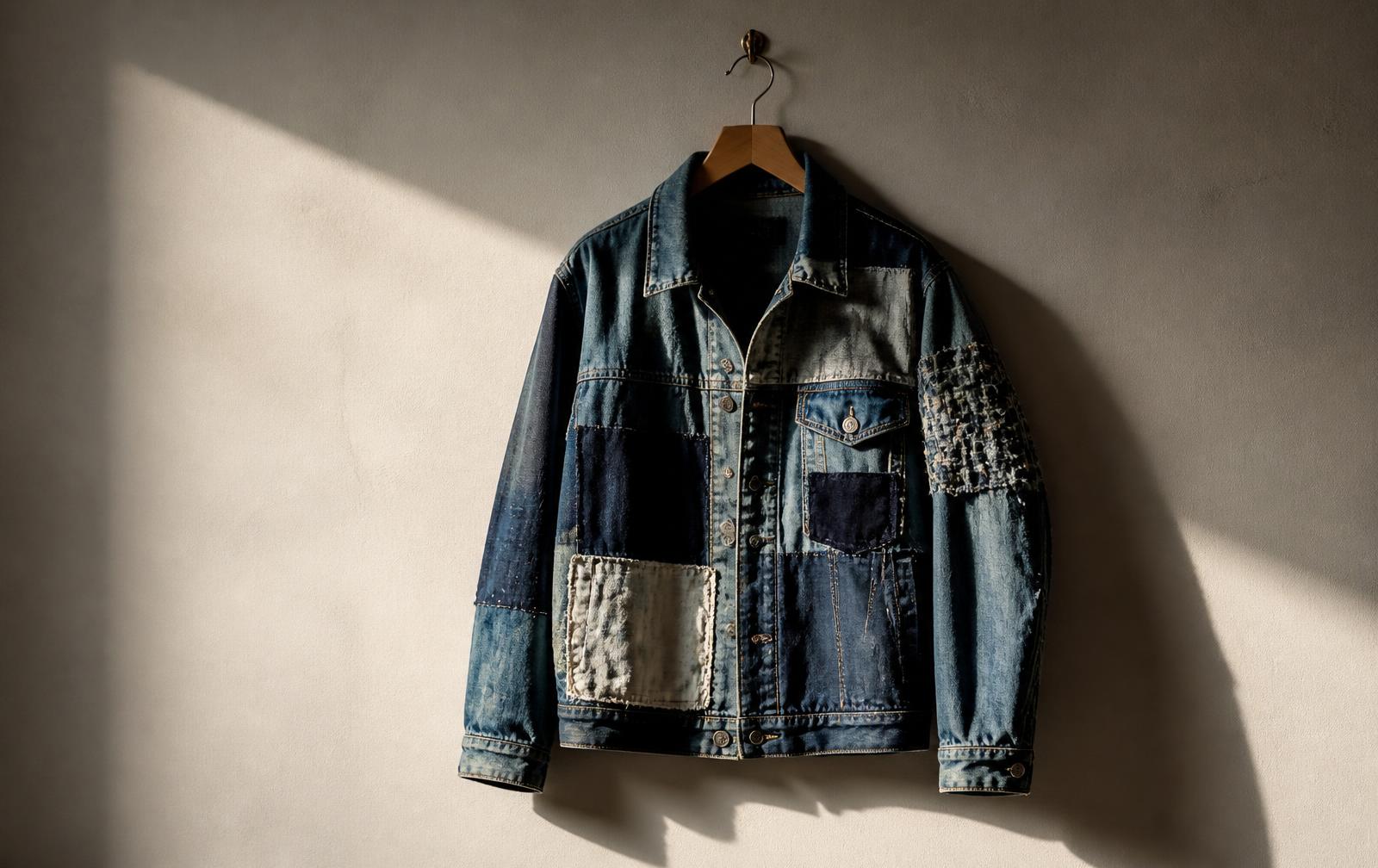
Why We Only Ever Make One
No print runs, no restocks, no size curve pushed out to a factory. The case for one-of-one, and what it costs us to work this way.
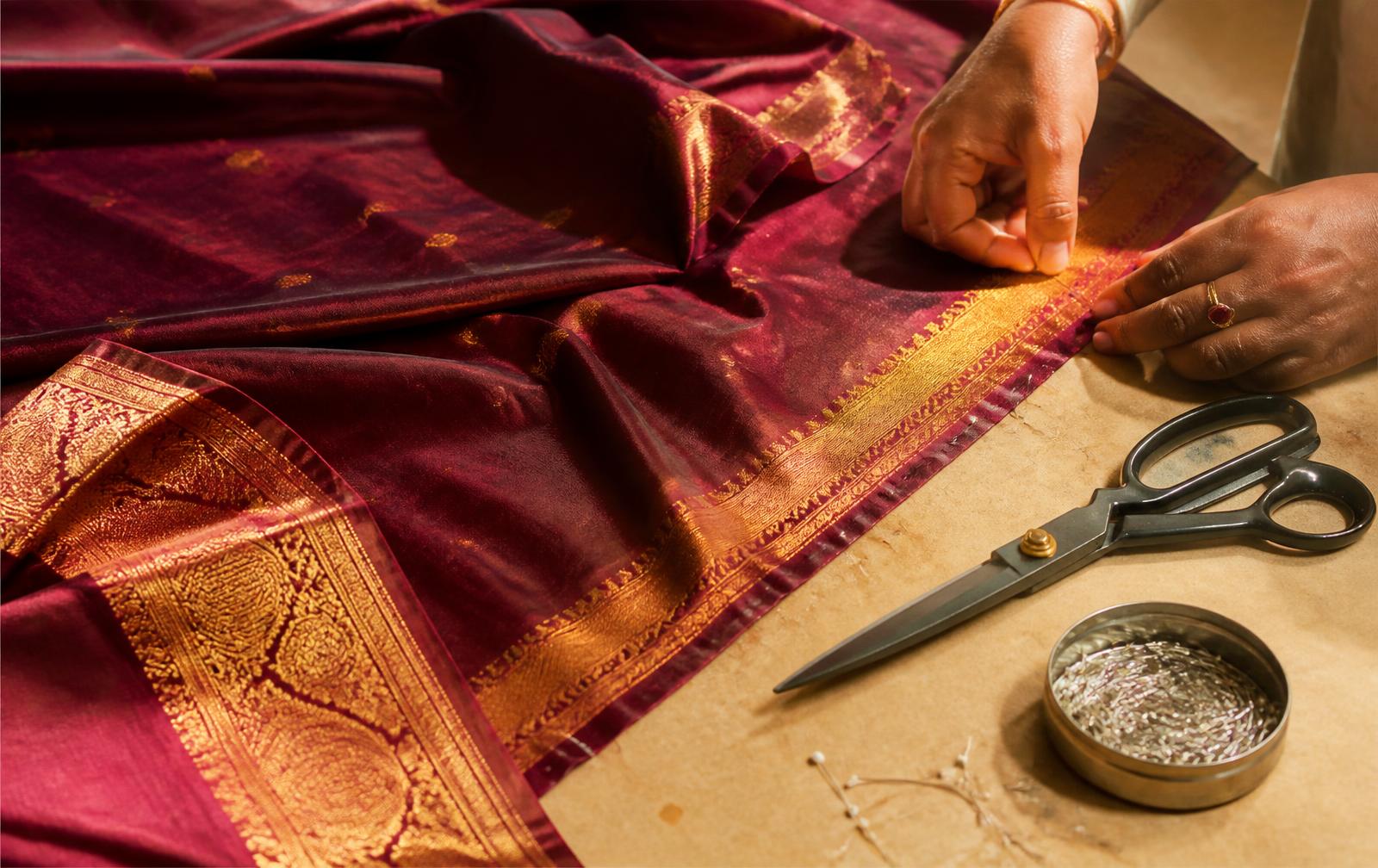
The Second Life of a Saree
How six metres of vintage silk from a market in India becomes a wrap skirt, a cropped top and a cushion — with nothing left over.