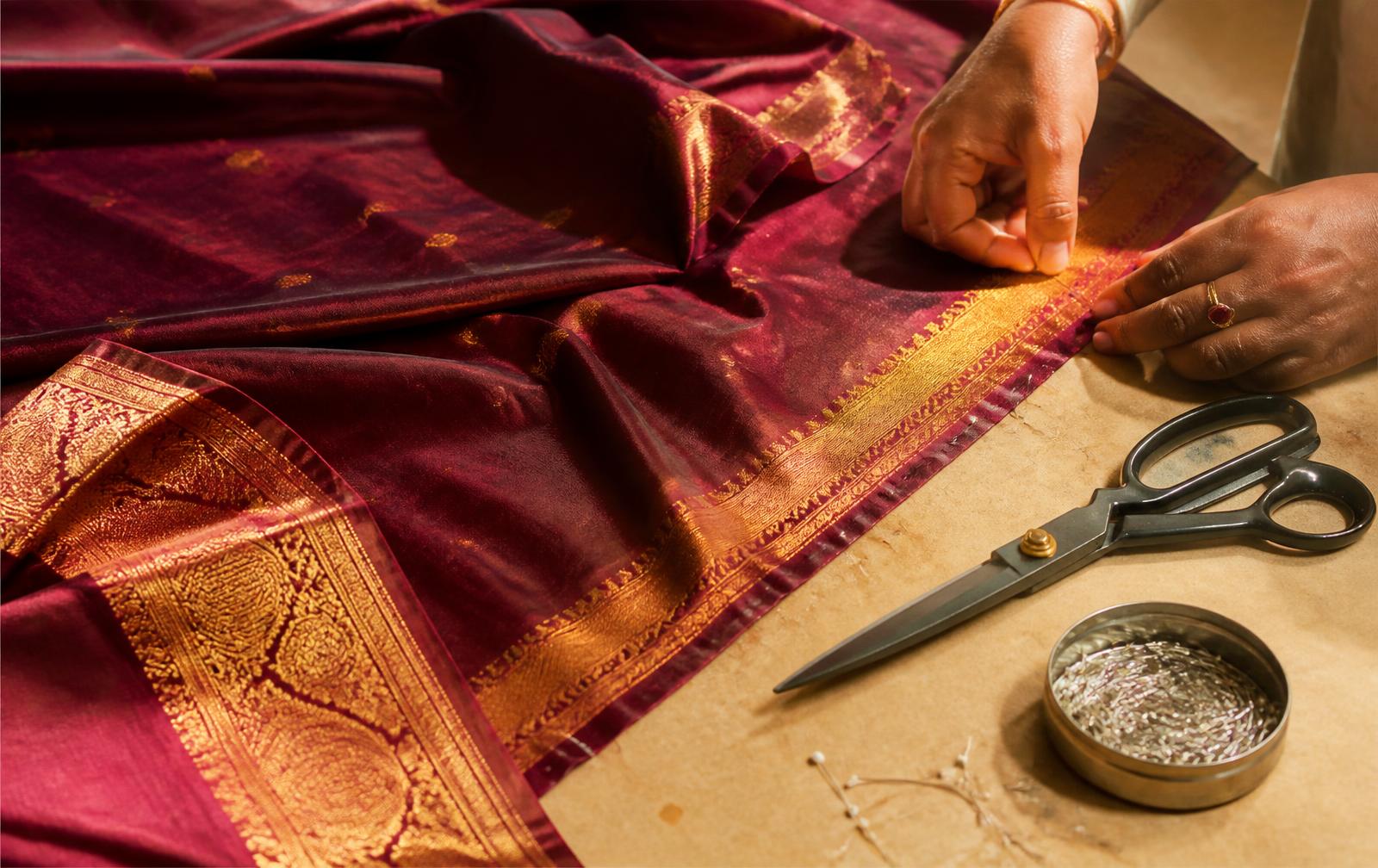
The Second Life of a Saree
How six metres of vintage silk from a market in India becomes a wrap skirt, a cropped top and a cushion — with nothing left over.
A saree is roughly six metres of uncut cloth. No darts, no seams, no waste built into the pattern. It is, quietly, one of the most efficient garments ever designed — and one of the best things you can rework.
Sourcing
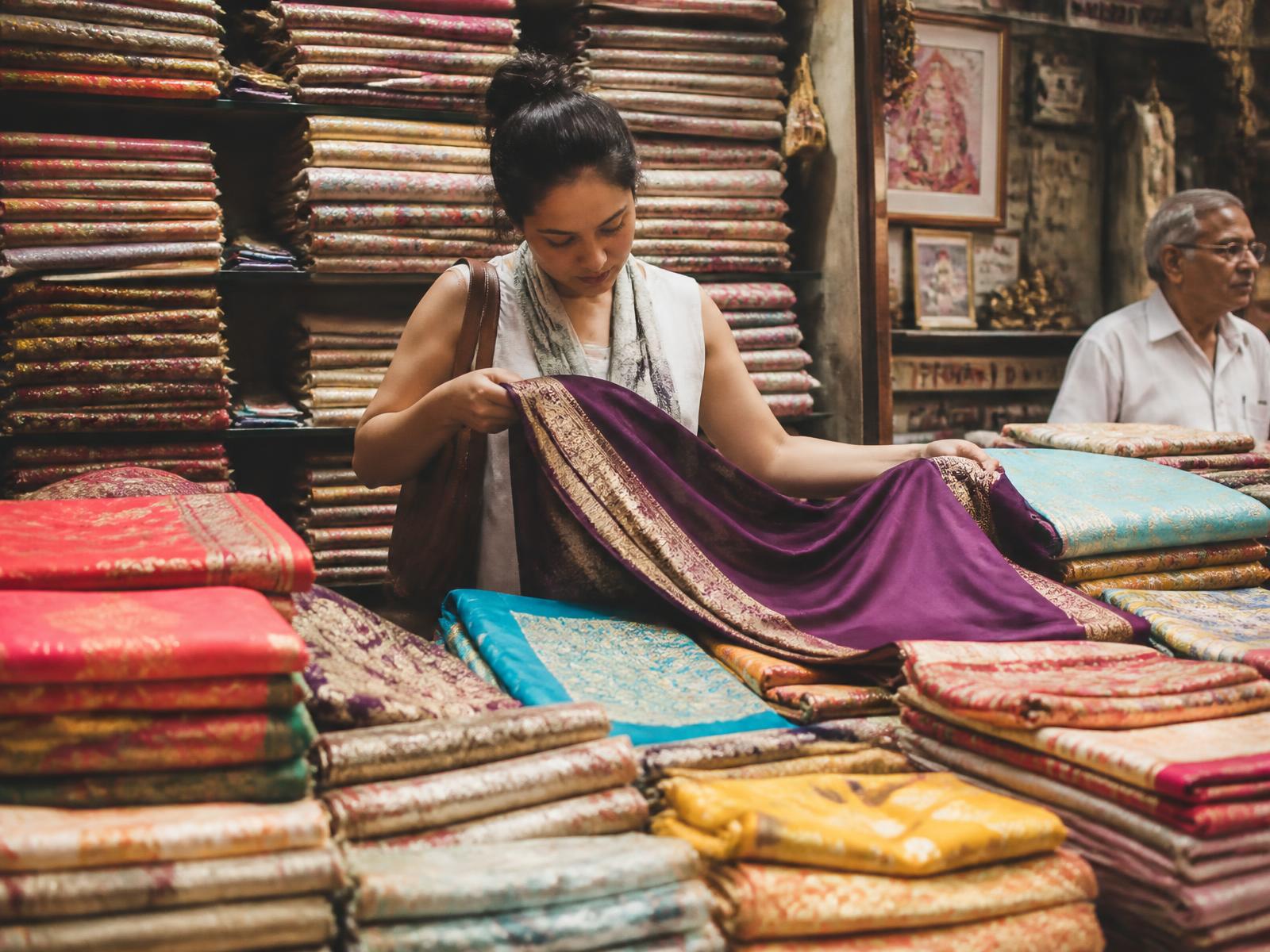
We buy from family-run resale traders in India who deal in second-hand and unsold vintage stock: silk, cotton, georgette, occasionally heavy Banarasi with real zari work. Nothing is bought new, nothing is commissioned. We look for damage that can be cut around and colour that has not gone flat.
Cutting
Once it lands in the studio, each saree is washed, dried flat and mapped. The strongest run of fabric becomes a wrap — long skirt, high-slit dress or cinched at the waist, depending on how you tie it. The pallu, with its heaviest embroidery, usually becomes a top or a framed panel.
"Six metres in. A wrap, a top, a cushion cover and a set of trims out. Nothing in the bin."
Wearing
Silk this old wants gentle handling: cold hand wash or a specialist clean, dry away from direct sun, and a cool iron through a cloth. Treated properly, a saree that has already lasted forty years will comfortably do another forty.
More articles
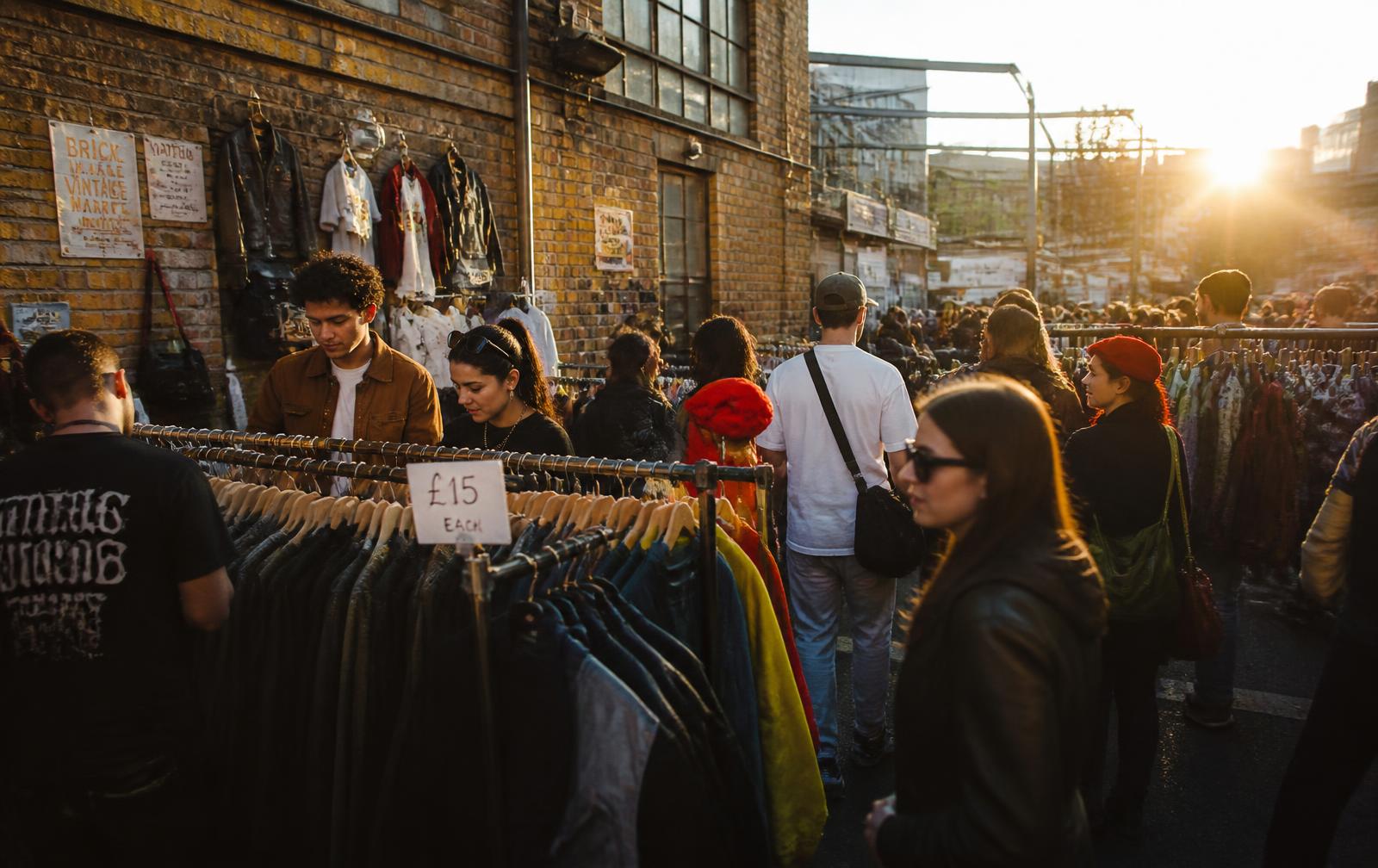
From a Brick Lane Market Stall to Two Studios
One sewing machine, a rack of dead-stock denim and a pitch on Brick Lane. Seven years on, here is how Karma Studio actually got built.
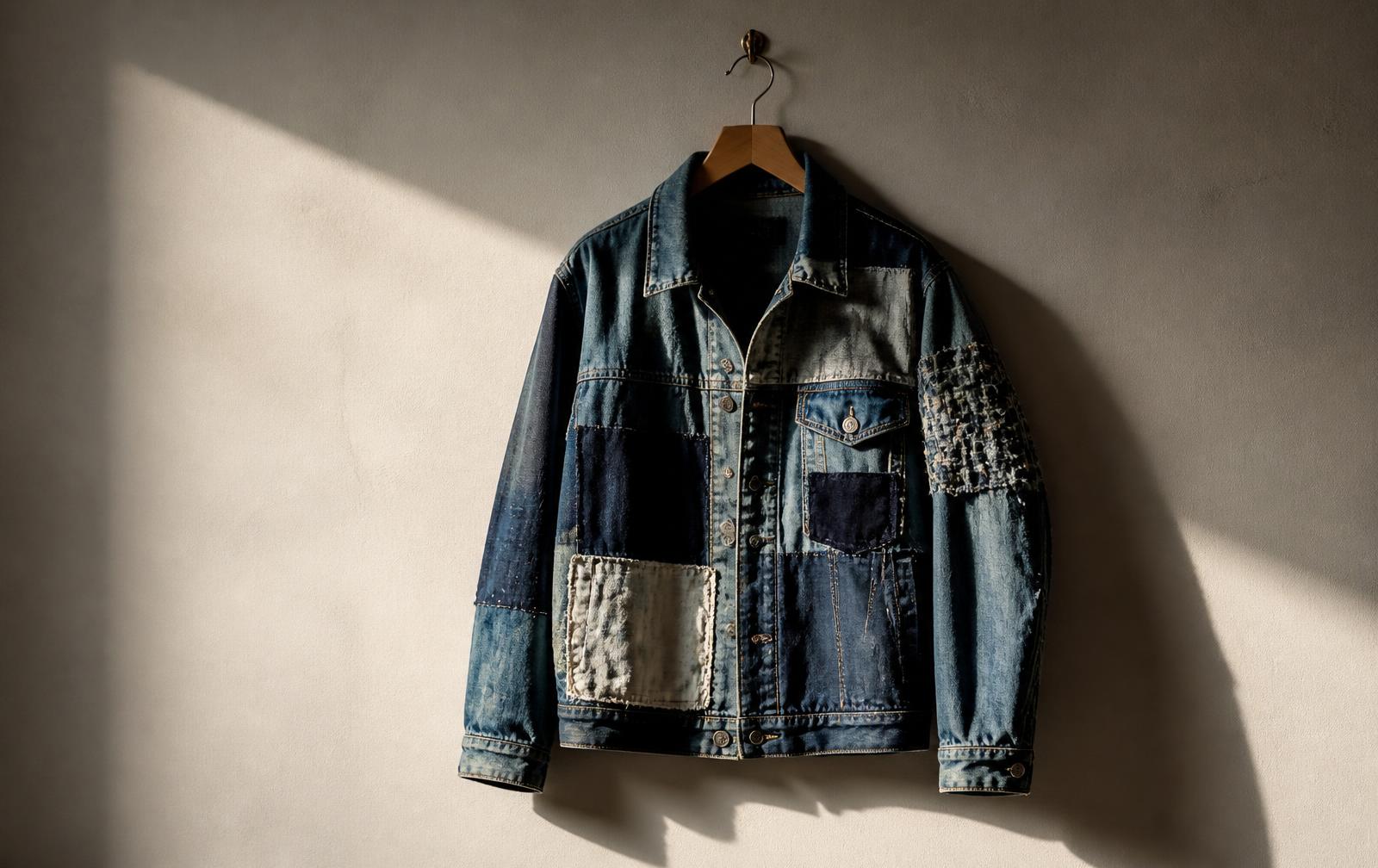
Why We Only Ever Make One
No print runs, no restocks, no size curve pushed out to a factory. The case for one-of-one, and what it costs us to work this way.